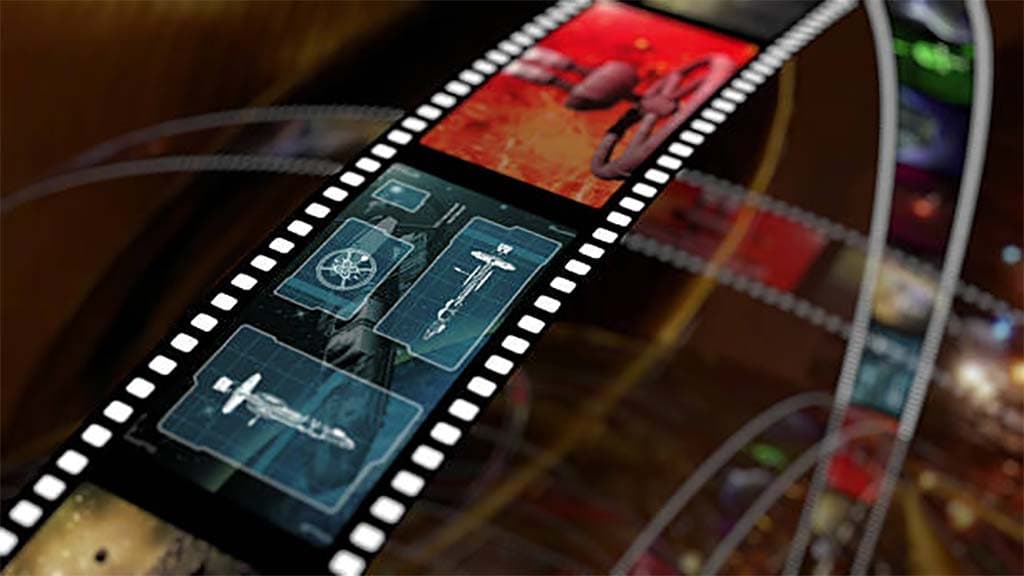
The inception of movie posters traces back to the late 19th century, marking the dawn of film advertisement. Initially, these posters were rudimentary, focusing on essential details like film titles and simplistic visuals to draw audiences. As the film industry burgeoned, the 1920s and 1930s witnessed a significant shift towards more artistic and visually compelling designs. This era laid the groundwork for the poster as an art form, integrating vivid colors, intricate illustrations, and typographic flair. The transformation reflected the industry’s growing recognition of posters as pivotal in shaping the movie-going experience, setting a precedent for the elaborate and creative advertisement strategies that followed.
The Golden Age of Hollywood and Poster Art
Throughout the Golden Age of Hollywood, movie posters became much more than advertising tools; they were iconic emblems of cinema’s golden years. Renowned artists like Saul Bass and Bill Gold infused posters with a new level of artistic endeavor, producing memorable pieces that captured the films’ spirit. This period emphasized hand-painted imagery, showcasing the glamour of film stars and the drama of cinematic narratives. Movie posters of this era were characterized by their bold colors, dramatic taglines, and the allure of storytelling through visual means. These elements combined to make movie posters stand out, turning them into cherished and collectible art pieces that celebrated the era’s cinematic achievements.
The Impact of Graphic Design and Technology
The latter half of the 20th century brought about a revolution in movie poster design, spurred by advancements in graphic design and printing technology. The 1960s and 1970s marked a departure from traditional representations, welcoming a more abstract and conceptual approach to poster design. This shift was characterized by a blend of photography, bold typography, and innovative layouts that captured a film’s essence in a more nuanced and compelling manner. The introduction of digital printing technology further diversified the artistic possibilities, enabling designers to experiment with complex designs and vibrant colors, thus elevating the visual appeal of movie posters.
The Modern Era and Digital Artistry
Today, the creation of movie posters is intricately tied to digital technology and graphic design, allowing for unprecedented creativity and adaptability. Modern posters must navigate the digital landscape, appealing to global audiences across various online platforms while maintaining artistic integrity. This era has seen a blend of traditional design elements with modern digital techniques, creating posters that are not only visually stunning but also strategically crafted to generate excitement and engagement online. Despite the technological advancements, the core objective of drawing audiences into the cinematic experience remains unchanged, highlighting the poster’s enduring significance in film marketing.
Collecting Movie Posters: A Hobby and Investment
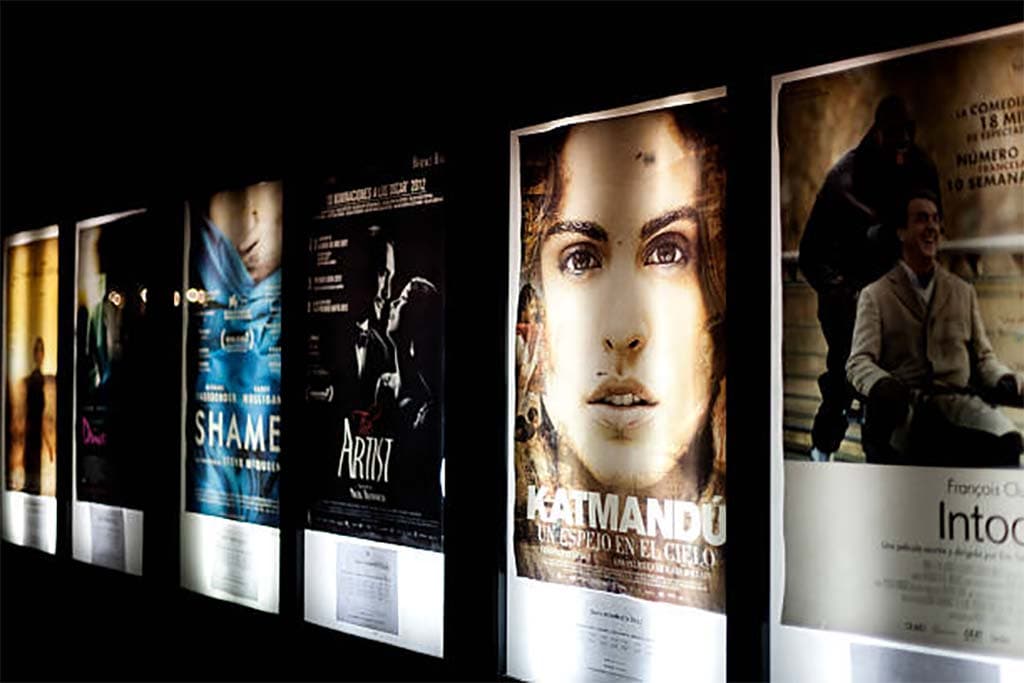
The fascination with movie posters has grown into a vibrant collector’s market, where enthusiasts seek out original prints for their artistry, historical value, and nostalgic appeal. Vintage posters, especially those from landmark films or iconic periods like the Golden Age, are highly prized, often fetching considerable sums in auctions and collector circles. This hobby transcends mere collection, offering a tangible connection to the history and legacy of cinema. Collectors not only appreciate the aesthetic value of these posters but also view them as investments, preserving a piece of cinematic history.
The Future of Movie Posters
As the film industry looks to the future, so too does the art of movie poster design. Emerging technologies, including augmented reality and interactive digital platforms, present new opportunities for engaging and captivating audiences. These innovations hint at a future where movie posters transcend their traditional role, offering immersive and interactive experiences that further blur the lines between advertisement and art. However, the essence of movie posters – to entice, intrigue, and connect with audiences on an emotional level – will undoubtedly persist, ensuring their place in the cinematic landscape.
Conclusion
The history of movie posters is a testament to the evolving relationship between art and cinema. From simple advertisements to iconic pieces of cultural art, movie posters have continually adapted to reflect the changing times and technological advancements. They remain an essential part of the movie-going experience, capturing the imagination of audiences and inviting them into the world of cinema. As we look to the future, the tradition of movie poster design is set to continue, embracing new technologies and creative approaches while preserving its role as a pivotal bridge between movies and their audiences.